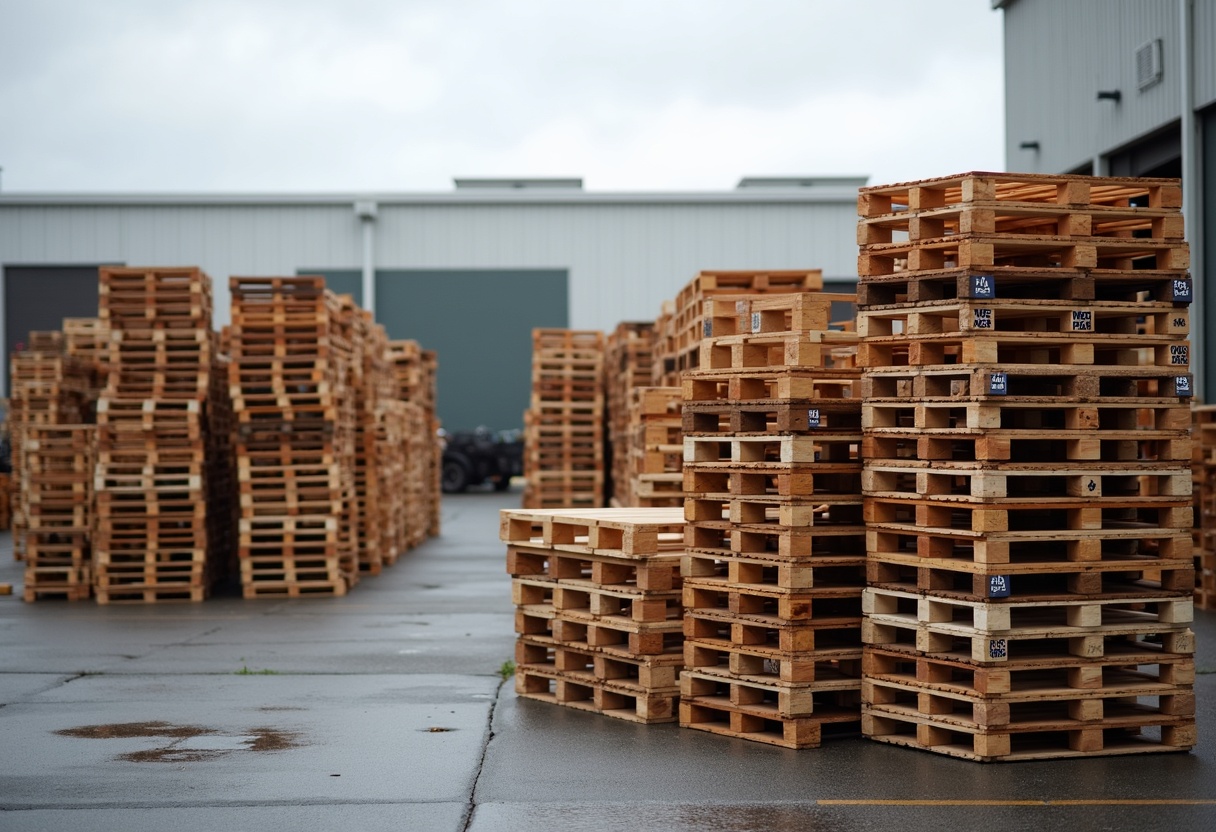
Finding a reliable pallet company in Washington State isn't hard. Finding one that actually meets your operational needs without wasting your budget is a different story. We've been supplying pallets from our Kent headquarters for years, and the same questions come up every time a new business calls us. This guide breaks down what matters when you're choosing a supplier.
Pallet Grades: What You're Actually Buying
The pallet industry uses a grading system that sounds straightforward until you see the variations between suppliers. GMA #1 (also called Grade A) pallets are your top-tier option. They're clean, repaired to standard, and suitable for anything from retail displays to export shipments. GMA #2 (Grade B) pallets have visible wear and may have repaired stringers, but they're structurally sound and cost 30-40% less than #1s. For internal warehouse moves or one-way shipments, #2s are often the smarter buy.
Some suppliers blur the line between grades. A pallet listed as "#1" at one company might look like a "#2" from another. Always ask for photos or, better, visit the yard. We keep our Kent yard open for exactly this reason—buyers want to see what they're paying for.
New vs. Recycled Pallets
New pallets are manufactured from fresh lumber, heat-treated for ISPM-15 compliance when needed, and carry a premium price. Recycled pallets are retrieved from businesses that no longer need them, inspected, repaired, and resold. The wood pallet weight and dimensions are the same for both grades—the difference is condition and price.
For most Washington businesses, a mix of both makes sense. New pallets for export or retail-facing shipments, recycled for everything else. A good pallet company will help you figure out the ratio that works for your volume. They should also offer a pallet drop-off program so your surplus pallets do not pile up when demand shifts.
Delivery Range Matters More Than You Think
A pallet supplier's delivery range directly affects your costs and reliability. If your supplier is based in Portland but you're operating in Kent, you're paying for fuel and driver time on every order. Worse, if they don't have a regular route to your area, you might wait days for a delivery that a local supplier could handle same-day.
We deliver from our Kent headquarters across King and Pierce Counties daily. That means Kent, Renton, Auburn, Seattle, and Tacoma get consistent delivery windows. When a business in Sumner or Tukwila needs 50 pallets by Friday, we can make that happen because we're not routing a truck from 150 miles away.
Bulk Pricing: Read the Fine Print
Most pallet companies advertise bulk pricing, but the tiers vary wildly. A "bulk discount" might kick in at 50 pallets with one supplier and 200 with another. Ask specifically:
- What's the minimum order for bulk pricing?
- Does the price include delivery, or is that separate?
- Are there fuel surcharges for deliveries outside the primary service area?
- Is there a standing-order discount for weekly or monthly recurring deliveries?
The businesses that save the most on pallets aren't necessarily getting the lowest per-unit price—they're getting transparent pricing that doesn't surprise them on the invoice.
Custom Sizes and Specialty Pallets
The standard 48x40 GMA pallet covers most use cases, but plenty of Washington businesses need something different. Manufacturing operations often require custom dimensions for specific equipment. Export businesses need ISPM-15 heat-treated pallets with documentation. Grocery distribution has its own pallet standards.
A good pallet company should handle custom builds without a month-long lead time. We keep lumber on hand for common custom sizes and can turn around specialty orders in 1-2 weeks depending on quantity.
What to Ask Before You Commit
Before signing on with a pallet supplier, ask these questions:
- Can I see the yard? If they say no, that's a red flag. You should see where pallets are stored, inspected, and repaired.
- What's your turnaround time for a standard order? A reliable supplier should fill orders within 24-48 hours in their primary service area.
- Do you offer pickup? Some businesses prefer to haul their own pallets to save on delivery fees. A flexible supplier offers both options.
- What happens if I get a bad batch? Returns and replacements should be straightforward. A supplier that argues about replacing broken pallets isn't worth the headache.
The Local Advantage
Working with a Washington-based pallet company means shorter delivery routes, faster response times, and a supplier who actually understands the regional logistics picture. The Port of Tacoma, the industrial corridors along the Green River in Kent, the distribution centers in Sumner and Fife—these are all areas where pallet supply chains run tight, and a local supplier can adapt when things shift.
If you're looking for a pallet partner in Washington, give us a call at 253-395-3119 or request a quote. We'll walk you through grades, pricing, and delivery options without the runaround. If your operation needs heavier-duty options, our metal pallet guide covers steel and aluminum pallets with load ratings and pricing. For a deeper dive on sourcing, our pallet supplier Washington State guide breaks down what to look for when choosing a supplier near you.